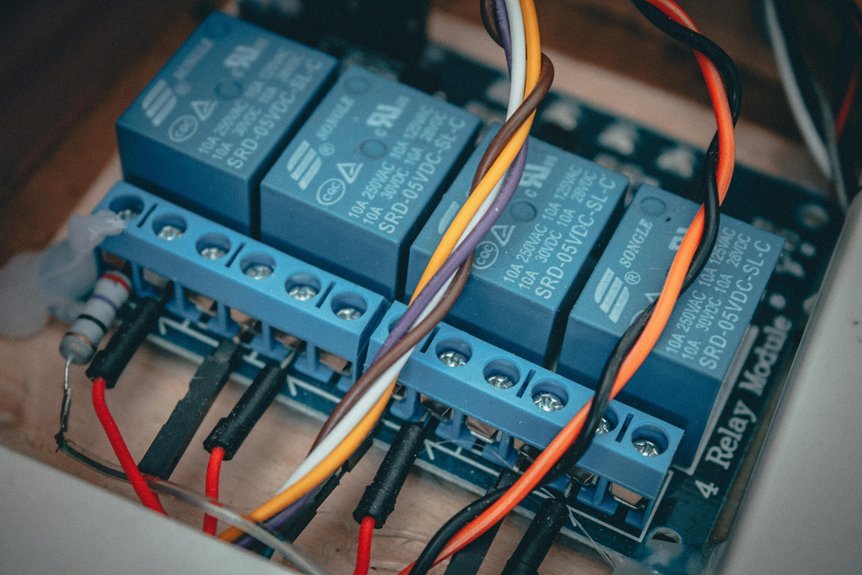
The Falcon Outreach Base 050 3174 2029 Turbo Relay Hub is a modular, solar-powered communications platform. It coordinates data flow and field operations with rugged relays and self-healing links. Its design supports rapid deployment, autonomy, and resilient connectivity across diverse terrains. The system emphasizes reliability and efficiency under outages. Its implications for field teams are substantial, yet trade-offs and maintenance needs invite further examination. The next details clarify how these elements come together in real-world scenarios.
What Is the Falcon Outreach Base 050 3174 2029 Turbo Relay Hub?
The Falcon Outreach Base 050 3174 2029 Turbo Relay Hub is a centralized facility designed to manage and dispatch high-speed communications and logistical resources. It supports streamlined outreach collaboration, coordinating data and field operations across dispersed teams. Solar redundancy ensures uninterrupted power, sustaining uptime during outages. The hub optimizes routing, monitoring, and resource allocation to empower autonomous, freedom-oriented experimentation and connection.
How the Modular Solar-Powered Nodes and Rugged Relays Work
Modular solar-powered nodes and rugged relays operate as a self-sufficient, resilient network infrastructure. The system utilizes modular power modules to balance energy input with consumption, ensuring continuous operation.
Rugged relays maintain secure, low-latency links across varied terrains. Core capabilities support disaster resilience, enabling rapid field deployments, remote monitoring, and autonomous reconfiguration without external infrastructure or frequent maintenance.
Real-World Deployments: Field Performance and Disaster Resilience
How do modular solar-powered nodes and rugged relays perform under real-world conditions, and what lessons emerge for disaster resilience?
Field deployment tests show robust uptime in varied climates, with rapid self-healing and modular fault isolation.
Data indicate resilient communications during outages, but emphasize proactive maintenance and firmware updates as essential components of disaster resilience for autonomous networks.
Costs, Scalability, and Maintenance for Wide-Area Networks
Costs, scalability, and maintenance are central to evaluating wide-area networks built from modular solar-powered nodes and rugged relays. The assessment emphasizes total cost of ownership, component longevity, and upgrade pathways. Costs reflect hardware, deployment, and energy supply. Scalability examines modular growth and resilience. Maintenance focuses on accessibility, routine checks, and remote diagnostics for reliable wide area networks.
Conclusion
In the grand theater of field communications, the Falcon Outreach Base operates as a sun-powered virtuoso, orchestrating modular nodes and rugged relays with robotic poise. Yet satire hums: dependency on solar reliability can tilt at windmills of weather and maintenance. The hub promises resilience, scalability, and self-healing networks, but costs and logistics haunt the wings. Still, in storms or sunlight, it attempts flawless, low-latency diplomacy among dispersed teams—an earnest totem for modern field operations.