Understanding the distinctions among colts, fillies, geldings, and mares is essential for anyone involved in equine care and training. Each category exhibits unique traits that affect not only behavior but also training methodologies. Colts are dynamic and competitive, while fillies thrive in supportive environments. Geldings offer a calmer alternative, and mares present both sensitivity and breeding importance. Exploring these differences reveals valuable insights into optimal handling and training strategies for each type.
Understanding Colts and Fillies
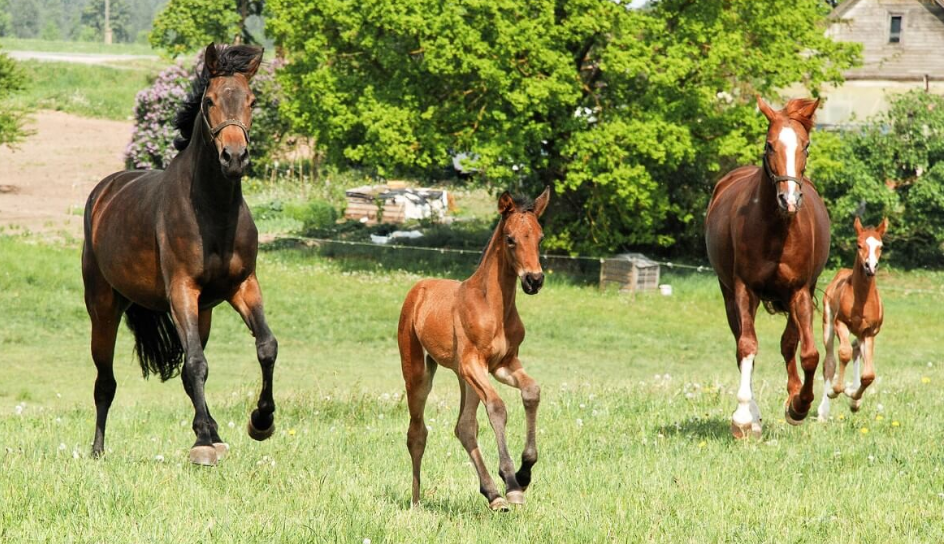
Colts and fillies represent the young male and female horses, respectively, in the equine world.
Colt development focuses on muscular growth and assertiveness, often manifesting as playful but competitive behavior.
Conversely, filly behavior tends to emphasize social interaction and nurturing tendencies.
Understanding these differences is crucial for trainers and enthusiasts, as they navigate the unique challenges and opportunities presented by each gender.
The Role of Geldings in the Equine World
Although geldings are male horses that have been castrated, their role in the equine world extends far beyond mere reproductive status.
The gelding advantages include a calmer temperament, making them ideal for training. Their lack of hormonal fluctuations enhances focus and responsiveness, leading to significant training benefits.
Thus, geldings are often preferred in various equestrian disciplines, contributing positively to both performance and rider safety.
Characteristics of Mares and Their Importance
Mares, the adult female horses, possess unique characteristics that distinguish them from their male counterparts.
Their reproductive health is critical for breeding programs, influencing both genetics and offspring quality.
Additionally, training differences arise from mares’ behavioral traits, including sensitivity and responsiveness.
Understanding these factors is essential for optimal management, ensuring that mares thrive in both competitive and recreational equine environments.
Conclusion
In conclusion, recognizing the distinct characteristics of colts, fillies, geldings, and mares is essential for effective training and management in the equine world. Each category brings its own set of behavioral traits and needs, highlighting the importance of tailored approaches. By understanding these differences, trainers and owners can ensure a harmonious relationship with their horses, ultimately leading to success in both training and performance. After all, knowing the horse makes all the difference in the long run.