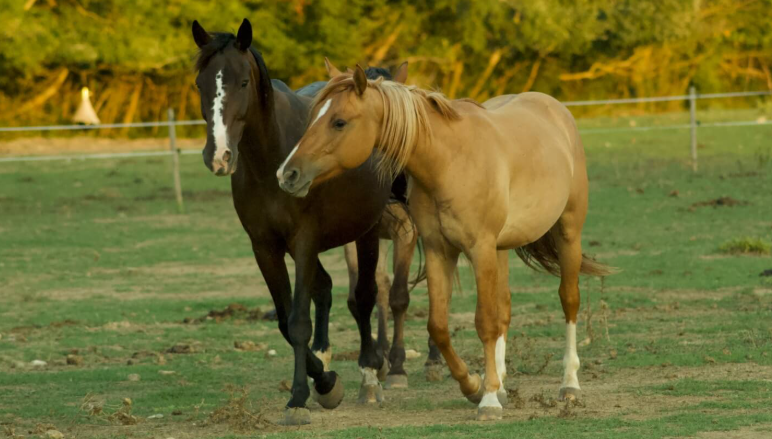
Many individuals hold misconceptions about horse welfare that can significantly impact the well-being of these animals. The belief that horses only require food and shelter often oversimplifies their needs. Furthermore, the idea that hard work is essential for a horse’s happiness overlooks the importance of mental stimulation. Additionally, some assume horses can thrive in isolation, ignoring their social instincts. Understanding these misconceptions is vital for improving equine care and ensuring a fulfilling life for horses.
Horses Only Need Food and Shelter
While many people believe that horses require only food and shelter to thrive, this perspective overlooks several critical aspects of equine welfare.
Effective feeding practices and shelter quality are essential, yet insufficient alone. Horses also need social interaction, mental stimulation, and proper veterinary care to ensure their overall well-being.
Recognizing these needs fosters a deeper understanding of what truly supports a horse’s health and happiness.
See also: Common Misconceptions About Breeding
Hard Work Is Essential for a Horse’s Happiness
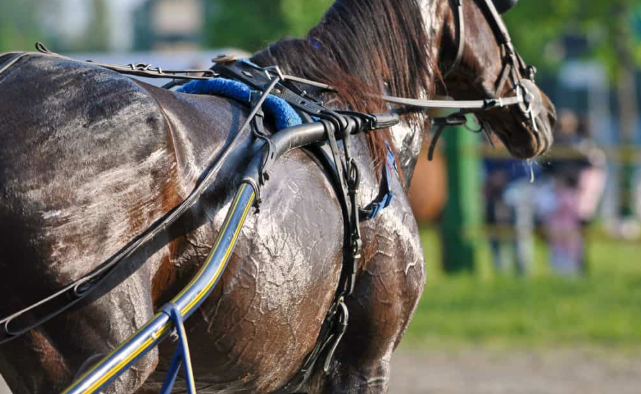
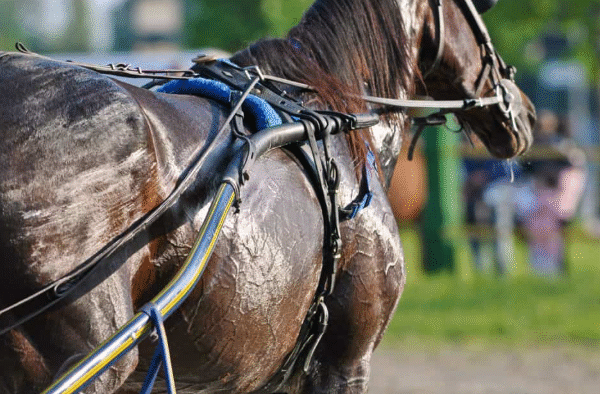
Many people mistakenly believe that hard work is a prerequisite for a horse’s happiness, assuming that rigorous training and labor are essential to fulfill their needs.
In reality, a balanced exercise routine that incorporates play and mental stimulation is more beneficial. Horses thrive when given opportunities for freedom, social interaction, and varied activities, allowing them to express their natural behaviors and find true contentment.
Horses Can Thrive in Isolation
A common misconception is that horses can thrive in isolation, leading to the belief that these social animals can be content without companionship.
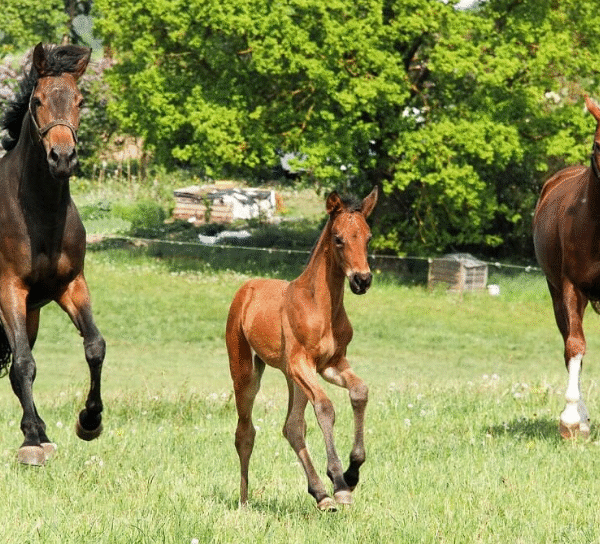
In reality, horses rely on social interaction to maintain their mental and emotional well-being. Herd dynamics are crucial for their development, fostering communication, safety, and stability.
Understanding this need is essential for ensuring a horse’s overall health and happiness.
Conclusion
In conclusion, understanding horse welfare requires a holistic approach that transcends basic needs. Just as a garden flourishes with diverse elements—sunlight, water, and companionship—so too do horses thrive when their emotional, social, and mental needs are met alongside their physical care. By dispelling common misconceptions, horse owners can cultivate an environment that promotes true well-being, fostering healthier, happier equine companions who can express their natural behaviors and enjoy fulfilling lives.