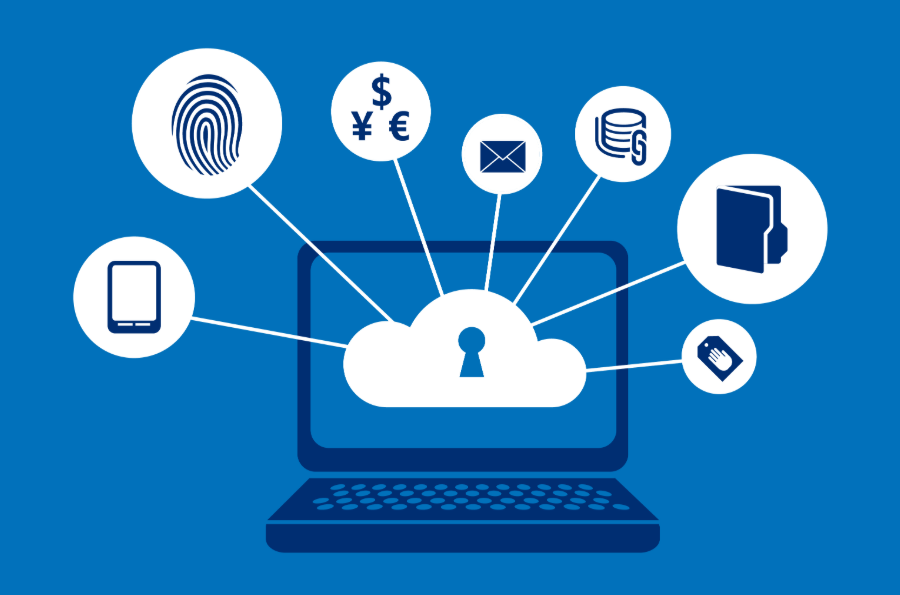
The intersection of technology and privacy raises significant concerns. As social media platforms thrive, they facilitate extensive personal data sharing, often without informed consent. Smart devices further complicate this landscape with their pervasive data collection practices. Additionally, the rise of cybersecurity threats exposes users to vulnerabilities. These issues compel a critical examination of privacy regulations and individual rights. What responsibilities do technology companies have in safeguarding user privacy, and how can individuals protect themselves?
The Impact of Social Media on Privacy
Social media platforms have fundamentally transformed the landscape of personal privacy, with nearly 3.6 billion users worldwide sharing vast amounts of personal information.
This widespread personal data sharing has facilitated significant social media surveillance, raising critical concerns about autonomy and consent. Users often underestimate the implications of their online presence, inadvertently compromising their privacy in exchange for connectivity, thereby undermining the very freedoms they seek.
Data Collection Practices of Smart Devices
How do smart devices gather data, and what implications does this have for user privacy?
Smart home surveillance systems collect user information through constant monitoring and interaction.
Often, this data collection occurs with ambiguous user consent, raising critical concerns about autonomy and privacy rights.
The pervasive nature of these practices emphasizes the need for transparent policies and informed consent to protect users’ freedoms.
See also: Technology and Human Evolution
Cybersecurity Threats and User Vulnerability
As smart devices increasingly intertwine with daily life, they also expose users to significant cybersecurity threats that heighten vulnerability.
Phishing attacks and identity theft represent persistent dangers, while ransomware threats can cripple essential data access.
Users must prioritize robust malware protection to safeguard their information.
This evolving landscape necessitates heightened awareness and proactive measures to maintain personal security in an interconnected world.
Navigating Privacy Regulations and User Rights
While the proliferation of digital technologies offers unprecedented convenience, it simultaneously complicates the landscape of privacy regulations and user rights.
Navigating this environment requires a keen understanding of user consent and the nuances of regulatory compliance. Users must actively advocate for their rights, ensuring that their personal data is handled transparently, thereby fostering a balance between technological advancement and individual privacy protection.
Conclusion
In an age where individuals willingly share their lives online, the metaphor of a glass house aptly illustrates the fragility of privacy. Just as a glass house offers no protection from prying eyes, the pervasive data collection by social media and smart devices leaves users exposed. As cybersecurity threats loom, the need for vigilance becomes paramount. Users must not only understand their rights but also advocate for transparency, ensuring that their autonomy remains intact in an increasingly interconnected world.