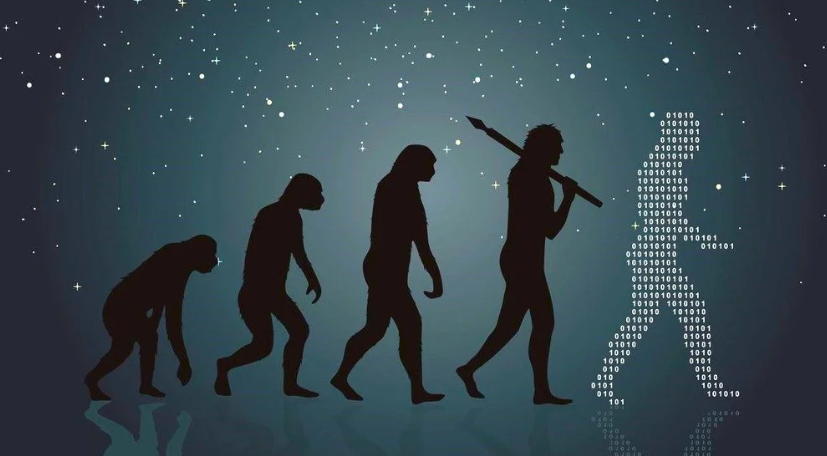
Technology has been a pivotal force in human evolution, shaping communication, work, and social interactions. Each advancement, from the written word to digital platforms, has redefined societal norms and personal connections. While innovations like genetic engineering promise to enhance human capabilities, they also raise complex ethical dilemmas. As humanity stands at the crossroads of progress and preservation, one must consider what this means for identity and autonomy in the future.
The Evolution of Communication Technologies
As communication technologies evolved, they fundamentally transformed human interaction and societal structures.
Verbal language gave way to written communication, allowing ideas to transcend time and space. The emergence of visual media and social networks reshaped connections, while instant messaging fostered immediacy.
This shift necessitated technological literacy, empowering individuals to navigate a complex landscape of communication and enhancing their capacity for freedom and expression.
Impact of Tools and Automation on Human Development
While the advent of tools and automation has significantly accelerated human development, it has also introduced complex challenges that reshape societal dynamics.
These innovations provide mechanical advantages, streamlining labor and enhancing productivity. However, they necessitate cognitive enhancement to adapt to evolving roles, fostering a reliance on technology that may diminish essential skills.
Thus, the balance between progress and personal autonomy remains a pivotal concern.
The Role of Digital Connectivity in Shaping Society
How has digital connectivity transformed the fabric of society?
It has redefined communication through social media, enabling the formation of virtual relationships that transcend geographical boundaries.
This interconnectedness fosters a sense of global community while challenging traditional social structures.
As individuals navigate these digital spaces, they experience both empowerment and alienation, illustrating the duality of technology’s influence on human interaction and societal evolution.
Future Trends: Technology’s Influence on Human Evolution
Although the future of human evolution is often viewed through a biological lens, technology is poised to play a pivotal role in shaping the trajectory of humanity.
Genetic engineering promises to eliminate hereditary diseases, while cognitive enhancement technologies could expand mental capacities, leading to a new era of human potential.
Such advancements raise ethical questions about identity, freedom, and the essence of being human.
Conclusion
In the ever-unfolding narrative of human evolution, technology serves as both a sculptor and a mirror, reflecting our aspirations while reshaping our realities. As society stands on the precipice of unprecedented advancements, the challenge lies in harmonizing innovation with the preservation of fundamental human qualities. Thus, the quest for progress must not overshadow the essence of what it means to be human—an intricate balance of intellect, emotion, and autonomy in a rapidly changing world.