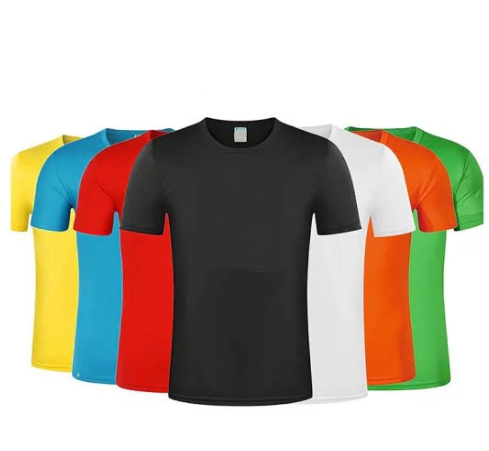
Buying blank T-shirts in bulk saves money on paper, but only if the shirts actually hold up once they reach customers or staff. A low price per unit means little if half the order gets returned for shrinking, fading, or falling apart after a few washes. This guide covers what actually matters when sourcing bulk apparel, so your next large order performs as well as it looks on the invoice.
Why Bulk Buying Requires More Research Than Single Orders
A single shirt purchase is easy to return or exchange if something goes wrong. A bulk apparel order multiplies that risk across dozens or hundreds of units, so a bad fabric choice becomes an expensive mistake rather than a minor inconvenience. Taking time to research fabric weight, cut, and construction before committing to a large order protects the budget far more than chasing the lowest price per shirt.
Wholesale T-shirts sold at a steep discount sometimes cut corners on stitching or fabric grade to hit that price point. Comparing a few suppliers side by side, rather than accepting the first quote, usually reveals a noticeable gap in quality between similarly priced options.
Fabric Considerations for Large Orders
Cotton apparel remains the most requested base fabric for bulk orders because it prints well, breathes well, and feels familiar to most customers. Fabric mixed with polyester can lower cost slightly but often prints less evenly under heat, which matters for anyone planning to add a logo or design to the order.
Fabric weight also affects how a shirt performs across a full production run. Heavier shirts resist stretching during heat pressing better than lighter shirts, which reduces the number of misprinted or warped units a shop has to discard before an order ships.
Choosing a Reliable Supplier for Blank T-Shirts
Checking Sizing Consistency
Sizing consistency matters more in bulk orders than in single purchases, since a run of mismatched sizes creates headaches for whoever is distributing the shirts. Brands such as Jerzees T-shirts have built a reputation for predictable sizing across large orders, which reduces the number of exchanges a business has to manage after the shirts arrive.
Confirming Minimum Order Quantities
Minimum order quantities vary widely between suppliers, and committing to a large minimum before testing the fabric can leave a business with unsold inventory. Requesting a small sample batch before placing a full bulk order helps confirm quality without locking in a large financial commitment upfront.
Custom Printing Shirts and Print-Readiness
Custom printing shirts need a stable, tightly woven base fabric that holds ink evenly across screen printing, heat transfer, or direct-to-garment methods. A shirt that looks fine unprinted can still pucker or shift under heat if the weave is too loose, so testing a printed sample before a full order matters just as much as testing the blank fabric alone.
Promotional clothing handed out at events also benefits from a slightly heavier fabric weight than everyday retail shirts, since giveaway items often get less careful handling and need to survive being packed into a bag or worn just once for a photo.
Managing Inventory and Storage for Bulk Orders
Storing bulk apparel properly protects the investment just as much as choosing the right fabric in the first place. Damp storage areas introduce moisture that can affect print adhesion, while direct sunlight fades color on stock sitting unused for months. Organizing inventory by size and color in clearly labeled bins speeds up fulfillment and reduces picking errors.
Rotating older stock to the front, rather than always pulling from the newest shipment, prevents shirts from sitting long enough to develop a slight yellow tint, which is a common issue with undyed cotton stored for extended periods.
Working With a Supplier You Can Trust
A supplier who understands bulk apparel needs, rather than treating every order the same as a single retail purchase, makes the entire process easier. Simplstc Apparel works with businesses ordering blank t shirts at scale and can walk buyers through current fabric options and bulk pricing at simplstcapparel.com before a large order goes out.
Building a relationship with one reliable supplier, rather than switching between vendors for a slightly better price each time, also keeps sizing and fabric quality consistent across repeat orders, which matters most for businesses reordering the same style multiple times a year.
Comparing Quotes Before Committing to an Order
Getting quotes from three or four suppliers before placing a bulk order gives a business a realistic sense of the current price range for a specific fabric weight and order size. Accepting the first quote received, without a point of comparison, often means overpaying or missing a supplier with better sizing consistency for the same price.
Asking each supplier the same set of questions, about minimum order quantities, sample availability, and turnaround time, makes quotes easier to compare directly rather than trying to weigh very different offers against each other.
Common Mistakes Businesses Make With Bulk Orders
Many businesses order based on price alone and skip requesting a sample, which often leads to an unpleasant surprise once the full shipment arrives. A sample that costs a small amount upfront can save a business from a much larger loss tied to a full order of unusable shirts.
Others underestimate how long a bulk order actually takes to produce and ship, especially during busy seasons when suppliers manage a higher volume of requests. Building extra lead time into any bulk order plan avoids a last-minute scramble before a deadline.
See also: The Technology Behind Smarter, Safer Digital Experiences
Making Bulk Buying Work in Your Favor
Buying blank t shirts in bulk pays off when the research happens before the order, not after the shirts arrive. Checking fabric weight, sizing consistency, and print-readiness ahead of time prevents the most common and most expensive mistakes tied to large apparel purchases.
A little extra diligence at the sourcing stage saves far more money over a year of repeat orders than chasing the cheapest price listed on a single invoice.