Buying clothes because they’re trending has become a much harder habit to justify than it used to be. More men are approaching their wardrobes the way they’d approach any other practical decision by looking at how they actually spend their week and buying pieces that match it, rather than filling a closet with items that looked good online but don’t fit into any part of a normal routine.
This shift isn’t about dressing less well. If anything, wardrobes built around an honest look at daily life tend to get worn more consistently and look more put-together, simply because every piece has an actual role. This guide walks through how to map your own routine, which categories of clothing tend to matter most once you do, and how to avoid a few common mistakes that derail the process.
The Shift From Trend-Driven to Lifestyle-Driven Dressing
Trend-driven dressing means buying based on what’s currently popular, regardless of whether it fits your actual days. Lifestyle-driven dressing flips that order: it starts with your routine, work, commute, weekend plans, and social obligations. builds outward from there, treating trends as optional rather than the starting point.
The practical benefit is fairly simple. Clothes bought to match a real routine get worn far more often than clothes bought to match a passing style, which means more consistent use out of a smaller number of pieces.
See also: Top Taipei Travel Attractions Nobody Should Miss
Start With an Honest Look at Your Week
Before buying anything new, it helps to actually map out how a typical week breaks down.
Mapping Out Where You Actually Spend Your Time
Most weeks fall into a handful of recurring settings: a work environment, a commute, errands, social plans, and some amount of downtime. Writing out roughly how many days go to each category, even loosely, makes it much easier to see where a wardrobe is over- or under-built.
Identifying the Gaps Between What You Own and What You Need
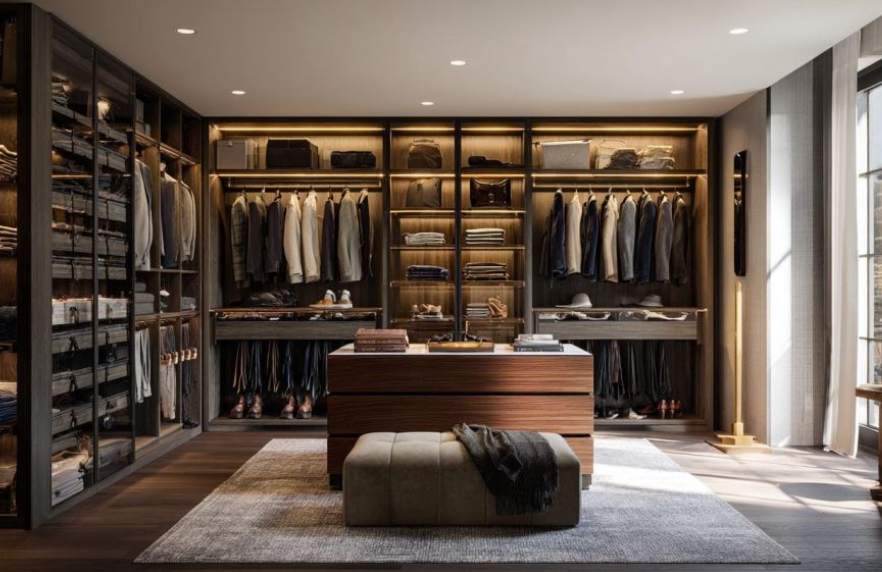
Once the week is mapped out, compare it against what’s actually in the closet. It’s common to find an oversupply of clothing for situations that rarely come up, alongside a shortage of reliable pieces for the parts of the week that happen most often. Closing that gap tends to matter more than adding anything trend-related.
Building Around a Few Core Categories
Most lifestyle-based wardrobes end up organized around a small number of categories that cover the majority of a person’s actual days.
Everyday Basics That Cover Most Days
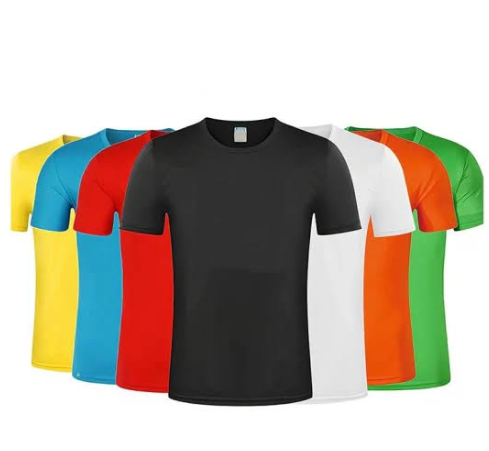
A handful of well-fitted t-shirts, button-downs, and a couple of reliable pairs of trousers or denim tend to cover the bulk of an average week. These pieces don’t need to be exciting. They need to be consistent, comfortable, and easy to combine with everything else.
One Versatile Outer Layer That Adapts to Your Routine
Outerwear is one of the highest-value categories in a lifestyle-based wardrobe, since a jacket gets seen and worn across nearly every setting a typical week includes. A men’s hooded leather jacket works well as this kind of anchor piece, since it moves comfortably between a commute, a casual work environment, and weekend plans, while the hood adds practical value on days when the weather doesn’t cooperate with the rest of the routine.
Why Fewer, Better Pieces Tend to Work Better Than a Large Wardrobe
A smaller wardrobe built around real use tends to outperform a larger one built around occasional impulse purchases, mainly because fewer decisions are required to get dressed, and every piece earns its place through actual wear. Cost-per-wear also tends to favor fewer, better pieces; an item worn regularly justifies a higher price far more easily than something bought for a single occasion and rarely touched again afterward.
Adjusting the System as Your Lifestyle Changes
A wardrobe built around a specific routine needs occasional revisiting, since routines shift. A new job, a move, a change in commute, or simply a season change can all affect which categories deserve the most attention. Revisiting the same weekly mapping exercise every six months or so keeps the wardrobe aligned with how life actually looks at that point, rather than how it looked when the original decisions were made.
Investing in Pieces Built to Match How You Actually Live
Once the core categories are clear, it’s worth being selective about where higher-value pieces, like a primary jacket, come from. Specialty retailers that focus on a specific category tend to offer more thoughtful construction than general clothing stores trying to cover everything at once. The Leather Coats focuses specifically on leather outerwear built for this kind of everyday, multi-setting use, which makes it a reasonable place to look once you’ve identified outerwear as one of your wardrobe’s core categories.
Mistakes That Derail a Lifestyle-Based Wardrobe
A few patterns tend to undermine this approach even after someone commits to it:
- Skipping the mapping step and going straight to buying. Without a clear picture of an actual week, it’s easy to fall back into old, trend-driven habits.
- Treating every category as equally important. Some parts of a wardrobe deserve more investment than others, based on how often they’re actually used.
- Buying for an aspirational lifestyle instead of the current one. Clothes bought for a routine you don’t actually have tend to sit unused, regardless of how practical they seemed at the time.
- Never revisiting the system. A wardrobe that made sense two years ago may not reflect a routine that’s since changed significantly.
FAQ
FAQ 1: How do I figure out what my wardrobe actually needs?
Start by mapping out a typical week: work, commute, social plans, downtime, and compare it against what’s currently in your closet. The gaps between the two point to what’s actually worth buying.
FAQ 2: Is it better to own fewer, higher-quality clothes or more variety?
For most routines, fewer well-chosen pieces tend to get worn more consistently and offer better value over time than a larger wardrobe with more occasional, low-use items.
FAQ 3: How often should I reassess my wardrobe?
Roughly every six months, or any time your routine changes significantly, such as a new job, a move, or a shift in commute.
FAQ 4: What’s the most valuable category to invest in first?
Outerwear tends to offer the best return, since a jacket is seen and worn across nearly every setting in a typical week, unlike more situational pieces.
FAQ 5: Does building a lifestyle-based wardrobe mean giving up personal style?
No. It shifts the starting point from trends to actual use, but personal style still shapes which specific pieces you choose within each category.
Final Thought
A wardrobe built around an honest look at your actual week tends to serve you better than one built around whatever’s currently trending. Map out where your time really goes, invest in a small number of versatile core pieces, especially outerwear. Revisit the system as your routine shifts. The result is a closet that works for the life you’re actually living, not the one you thought you’d have when you bought half of it.